
Ingleton Wood
Our BrochuresContact UsWe are hiring
  • our practice
    • About us
    • Our Mission and Values
    • Our Story
    • Practice Management
    • Our sustainability commitment
    • Frameworks
    • The Armed Forces Covenant
    • Awards
    • Testimonials
    • Brochures
  • Our People
    • overview
    • Equality, Diversity and Inclusion
    • Life at Ingleton Wood
    • Careers
    • Apprenticeships
    • Supporting CPD
    • Benefits
    • How to join our practice
    • Our Partnership
      • John Dixon
      • Stuart Norgett
      • David Cresswell
      • Laura Mansel-Thomas
      • Paul Cavalier
      • Simon Gorst
      • Daniel Legg
      • Anni Folan-White
      • Darren Fowler
    • Our Senior Team
  • our services
    • Architecture
      • Concept and Feasibility
      • Masterplanning
      • Planning Applications
      • Detailed Design
      • Visualisation
    • Building Surveying
      • Project Work
      • Expert Witness
      • Surveys
      • Dilapidations
      • Repairs and Maintenance
      • Technical Due Diligence (TDD)
      • Party Wall and Neighbourly Matters
      • Reinstatement Cost Assessments
      • Development Monitoring
      • Cladding
    • Building Services Engineering
      • Mechanical Design
      • Electrical Design
      • Environmental Design
      • Surveys and Asset Registers
      • Management Services
      • Defence and Security
    • Planning
      • Planning Applications and Appeals
      • Planning and Development Appraisals
      • Development Plan Representations
      • Masterplanning
      • Public Consultation
      • Post Planning Services
    • Interior Design
      • Our Service
      • Our Expertise and Adding Value
      • Visualisation
    • Sustainability
      • Climate resilience
      • Sustainability in Planning
      • Regulation Compliance
      • Energy Strategies
      • Passivhaus
      • BREEAM and Code
      • Zero Carbon
      • Post Occupancy Evaluation
      • CPD and Research
      • Health and wellbeing
      • WELL certification
    • Civil Engineering
      • Planning Services
      • Flood Risk Assessment
      • Phase 1 Desk Study
      • Hydraulic Modelling Assessments
      • Drainage Design
      • Sustainable Drainage
      • Highways
      • Enabling Works
      • External Works
    • Structural Engineering
      • Structural Design
      • Foundation Design
      • Basement and Retaining Wall Design
      • Timber Metal Frame Design
      • Structural Inspections
    • Quantity Surveying
    • Project Management
    • CDM and H&S Services
      • What is a CDM Advisor?
      • What is a Principal Designer?
      • Our CDM Service
      • What does a Client have to do?
      • Are you a Duty Holder?
      • Client and Contractors CDM CPD
      • H&S Services
    • The Building Safety Act
      • What is the Building Safety Act?
      • Does the Building Safety Act apply to all buildings?
      • What are the key changes to the Building Safety Act?
      • Changes to the Building Regulations
      • What does the Building Regulations Client have to do?
      • Who is the Accountable Person?
      • How do I prepare for Building Safety Act changes?
    • transport and infrastructure
      • Feasibility and Viability
      • Highway and Access Design
      • Travel Plans
      • Transport planning
  • our sectors
    • Bluelight
    • Commercial
      • Offices
      • Industrial
      • Retail
      • Telecoms
    • Defence
    • Education
    • EV Hub Design Services
    • Fuel Filling Stations
    • Health
    • Heritage and Conservation
    • Laboratories
    • Leisure
    • Residential
    • Social and Community
  • our projects
  • news & socials

WELL – A new building standard for healthier buildings, the next wave of change Friday, 20th October 2023

Over the past few decades, one of the main areas of focus in the construction industry has been sustainability and looking for ways to improve a building’s green credentials. Initially the focus was on energy and reducing both energy usage, through improved fabric and more efficient systems, and utilising renewable energy systems such as solar panels. 

Around 15 years ago, the industry entered a new phase through BREEAM certification, which was far more holistic, providing an environmental assessment method that could score a building’s performance against other buildings through a thorough rating system.

Buildings achieving over 70% through its various categories below would be considered ‘Excellent’.

  • Energy: operational energy and carbon dioxide (CO2) 
  • Management: management policy, commissioning, site management and procurement 
  • Health and wellbeing: indoor and external issues (noise, light, air quality etc.)
  • Transport: transport-related CO2 and location related factors
  • Water consumption and efficiency
  • Materials: embodied impact of building materials, including lifecycle impacts like embodied carbon dioxide
  • Waste: construction resource efficiency and operational waste management and minimisation
  • Pollution: external air and water pollution 
  • Land use: type of site and building footprint 
  • Ecology: ecological value, conservation and enhancement of the site.

While some feel the system may have its flaws, it offers planners, building occupiers and owners a comprehensive perspective on the sustainability performance of a building.

However, in more recent years, the world has seen a change in how we work with our buildings and what is required from them. This is a change that many believe is a result of the Coronavirus Pandemic. 

With a large portion of the population now working in a hybrid situation, some never returning to the traditional workplace, there is a clear need to evaluate how buildings are used. As a result, it’s time to take a different, more people centric approach, to help attract employees back into their places of work, while improving their overall wellbeing.

We believe the answer lies in a fairly new, American based system named WELL, and its mission “to build a better world”. WELL is not too dissimilar to BREEAM in the fact that it uses different categories, with strong scientific backing, to provide a building with an overall score and rating.

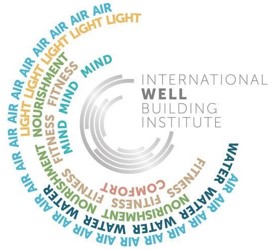
Buildings can become WELL Certified by achieving a defined score in each of the seven categories:

  • Air: Aims to improve air quality, removing contaminants and promoting purer air.
  • Water: In examining a building’s water credentials, assessors look at water quality and accessibility, including filtration and treatment systems.
  • Nourishment: Assessors are looking for the promotion of healthy habits in terms of food choices, knowledge, and behaviour.
  • Light: Seeks to complement our bodies’ natural circadian rhythm through windows and internal lighting systems and controls. With the right type and levels of lighting, the aim is to boost mood, performance, and energy.
  • Fitness: Looks at how our buildings promote physical activity and inspire users to incorporate exercise into their day.
  • Comfort: Assesses how we can design our spaces for maximum comfort and productivity. This considers sound, temperature and more.
  • The mind concept of the WELL Building Standard focuses on how interior design and technology within a building can promote good mental health for its users.

The emphasis here is very much on providing an internal environment (where we spend a vast majority of our time) that promotes health and wellbeing, offering spaces which help us to perform at our best, the idea being to promote spaces that make us feel, sleep, and perform better.

WELL provides a way to demonstrate a commitment to the wellbeing of a building’s users, with a focus on designs that promote health and happiness. Yes, sustainable energy and low to zero carbon is still important, but not necessarily at a cost to the real purpose of buildings; to house its people. Providing a happier heathier space to work and be in is essential. 

The CBRE Global Corporate Headquarters in Los Angeles became the first commercial office space to achieve WELL Certification. Upon initial analysis of the pilot program, employees working in the Headquarters reported overwhelmingly positive outcomes.

  • 83% felt more productive.
  • 92% reported a positive effect on health and wellbeing.
  • 94% claimed the space had a positive impact on business performance.
  • 93% reported easier collaboration.

Although the system can be complex to navigate, at Ingleton Wood we can assist on aligning the development of a workplace or commercial building project through the principles of the WELL framework, here in the UK. 

If you’d like to know more about the WELL standard, please contact our WELL Accredited Professional Robert Diamond, Senior Associate | Sustainability.
WELL Building Institute


XPinterestLinkedInEmailShare with other services

Related Links

Tags

#iwsustainability#WELL#buildingstandardforhealthierbuildings#WELLcertified#explained#contactus#sustainabilityadvice

Contact Us

MapLondonTelephone020 7680 4400
Billericay01277 637800
Cambridge01223 202040
Colchester01206 224270
Norwich01603 666847
Nottingham0115 8654072
Oxford01865 411475
  • Email General Enquiries
  • Email Business Development
  • Email Recruitment / HR
  • Email Health and Safety
  • Email Sustainability
  • Twitter Twitter
  • LinkedIn LinkedIn
  • Instagram Instagram

Ingleton Wood © 2020 | Ingleton Wood LLP is a Limited Liability Partnership registered in England and Wales with No. OC306572, registered address: The Loom, 14 Gower’s Walk, London, E1 8PY. VAT No. 262 7242 10 |

Sitemap | Cookies Policy | Privacy Notice | Disclaimer

This website uses cookies; some may have already been set.

To remove this message, please choose whether to approve, customise or reject the site's use of cookies; your choice will be saved in a cookie. If you would prefer the site to not use cookies at all then please block or otherwise disable cookies in your web browser, though you may find that this prevents certain parts of the site from working correctly.

You can view our cookie policy at the following page: Cookies Policy.